
My Lovely Horse - Media Campaign
National coverage for Ireland’s largest equine rescue, and a charity that also takes in dogs, goats and other neglected animals.
Twelve months of Irish press, radio and television for rescue work, enforcement arguments and individual cases — from Citywest and Cork call-outs to Eleanor’s return and a Morning Ireland interview.
Sector
Animal welfare charity (equines, dogs, pigs, goats and other species)
Location
Moyvalley, Co. Kildare, with a Cork operation and My Lovely Pig Rescue
Services
Media relations, crisis and advocacy communications, broadcast and press outreach
The Brief
My Lovely Horse Animal Rescue is a registered Irish charity that rescues, rehabilitates and rehomes neglected and abused animals, and works with gardaí, the Department of Agriculture and the public on enforcement and education. Founded by Martina Kenny, Deborah Kenny and Cathy Davey, it operates farms in Kildare and Cork and is often the organisation called when a horse is abandoned on a roadside or in a housing estate.
Artisyn’s brief over the past twelve months was to keep that work visible beyond social media: to place rescue stories, funding pressure and the case for stronger animal-welfare enforcement in regional titles, national newsrooms and breakfast television, without flattening the charity into a single “sad horse” headline. The organisation needed coverage that supported donations and volunteering while also carrying co-founder and advocacy voices into RTÉ, the Irish Times and Virgin Media.
The Approach
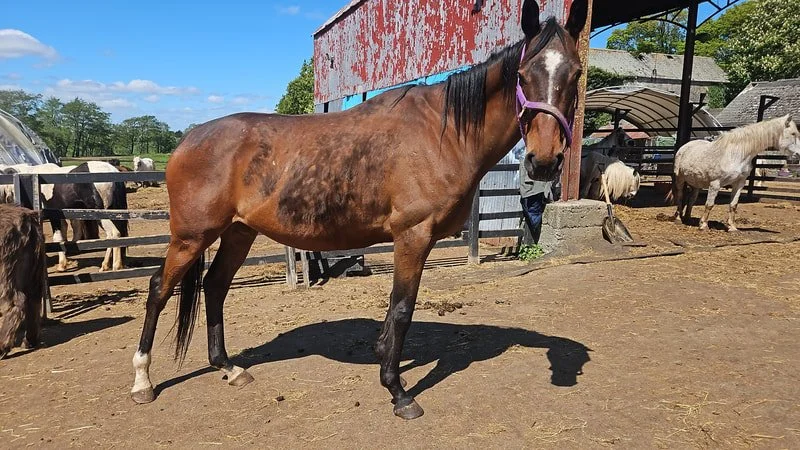
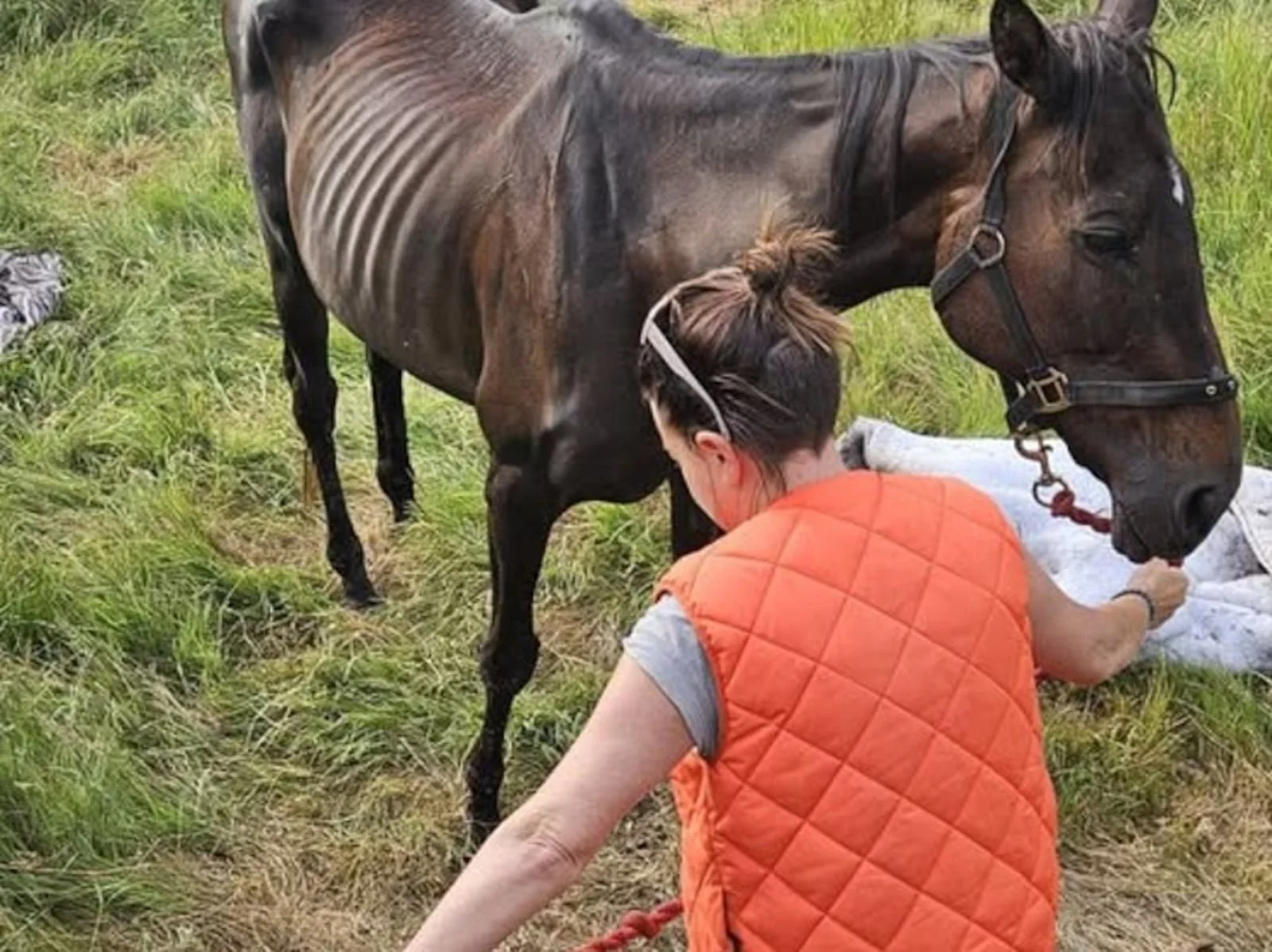
Artisyn treated MLHR as both a frontline rescue and a policy source. Individual animals — Farah in Cork, Woody in Tipperary, the Citywest horses, Eleanor in Kildare — were briefed as named cases with veterinary fact and a clear call to action. Those stories sat beside a running argument: shared responsibility across An Garda Síochána and the Department of Agriculture, the absence of equine welfare prosecutions in official figures, and the charity’s call for a dedicated animal-crime unit and a multi-agency working group.
Outreach favoured Irish regional and local radio first when a rescue was on the ground in Cork, Tipperary or Kildare, then national news and broadcast when the story had an enforcement or all-island hook. Timing followed the year: autumn protest and seizure stories; winter grant and running-cost briefings; spring features on cruelty and prosecution rates; early summer recovery of Eleanor, with Morning Ireland and a Virgin Media visit to the farm; midsummer first-person pieces and late-summer fundraising (including the Mad Mares 150 km cycle). The through-line remained the charity’s own line: a life worth living, and a wish to become unnecessary.
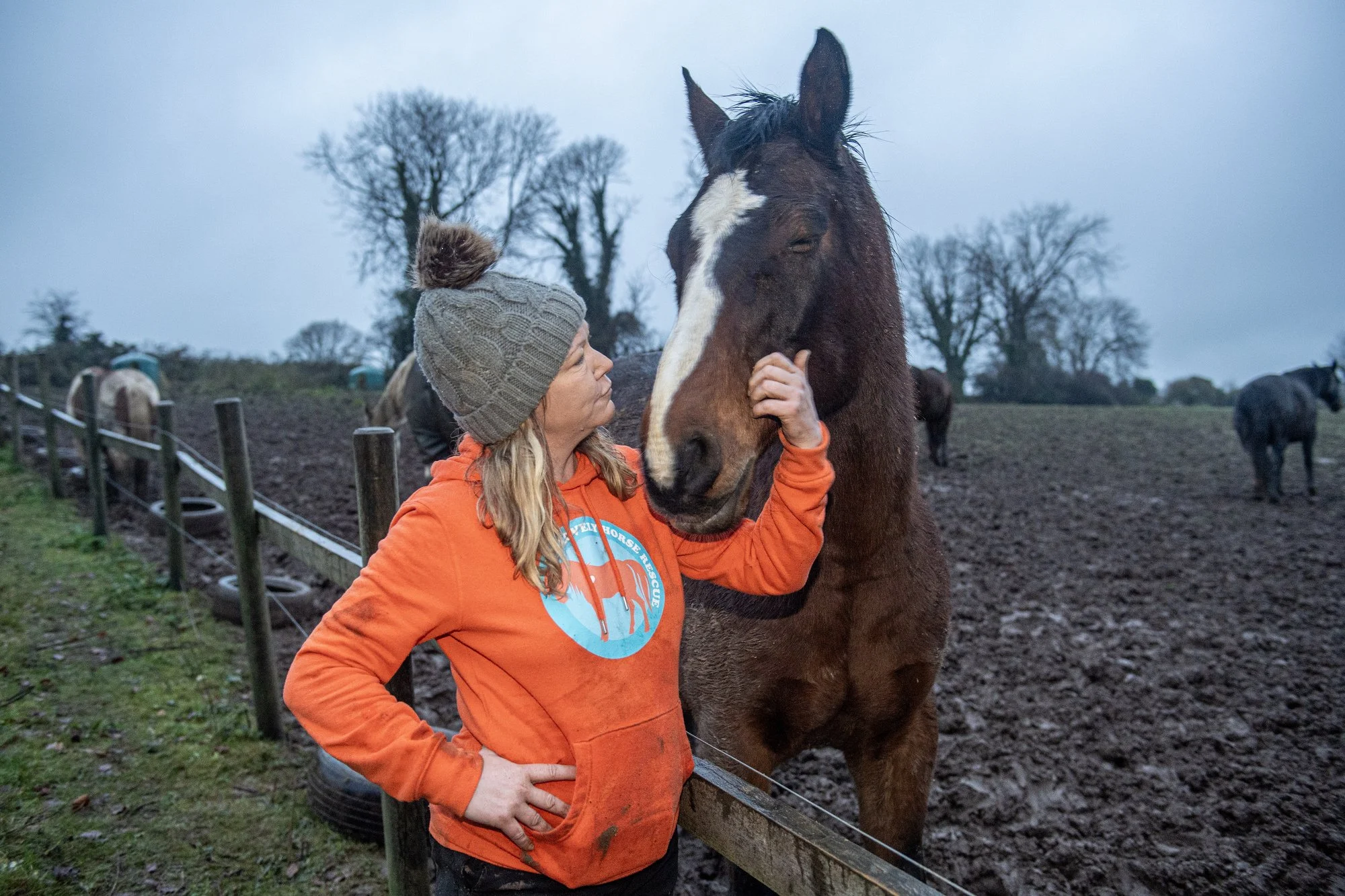
The Irish Times - Mar ‘26
Coverage Snapshot
Dublin Live, 22 October 2025 — My Lovely Horse rescue slams use of animals during violent protest at Citywest
FM104, 29 October 2025 — Horse used to ram gardaí during riots rescued by animal welfare charity
Virgin Media One, Ireland AM, 8 November 2025 — studio appearance with rescued animals
Ireland Live / Nenagh Live, 7 November 2025 — Concern and anger in Tipperary after sulky horse ‘left to die alone’ on side of street
Kfm, 12 December 2025 — Two Kildare animal charities share €170k fund as animal welfare costs continue to mount
The Irish Times, 10 March 2026 — Realities of horse cruelty: ‘You can’t undo the misery the animal has been through’
RTÉ News, 30–31 March 2026 — Charity says animal garda crime unit needed in Ireland
RTÉ Radio 1, Morning Ireland, 29 June 2026 — Martina Kenny on Eleanor’s return and animal cruelty
Virgin Media Ireland, June 2026 — farm visit with Eleanor after her recovery
The Journal, 12 July 2026 — My Lovely Horse Rescue: Our daily fight to save Ireland’s hungry, frightened and forgotten animals
Dublin Live visit to MLH
Outcomes
Across the year the charity remained the named source on urban-horse protest footage, roadside abandonments and the gap between cruelty reports and prosecutions. RTÉ reported that MLHR took in 68 equines in 2025, with more than 100 on the Kildare farm at the time of filming, and that the Department of Agriculture recorded no equine welfare prosecutions in the previous year.
The theft and 28-day search for Eleanor in June 2026 produced national radio and a television crew on the farm once she was found in Clondalkin. Regional titles carried Cork and Tipperary rescues and the December Animal Welfare Grant of €90,000. First-person and feature pieces in the Irish Times and The Journal put advocacy leads — including Kerry-Anne Pollock and Martina Kenny — in front of readers who do not follow rescue pages. Fundraising activity, including the Mad Mares cycle in August 2026, sat on the back of that visibility rather than replacing it.